Georgia Lawmakers Target Hemp Regulations, Rule Out Recreational Marijuana Legalization
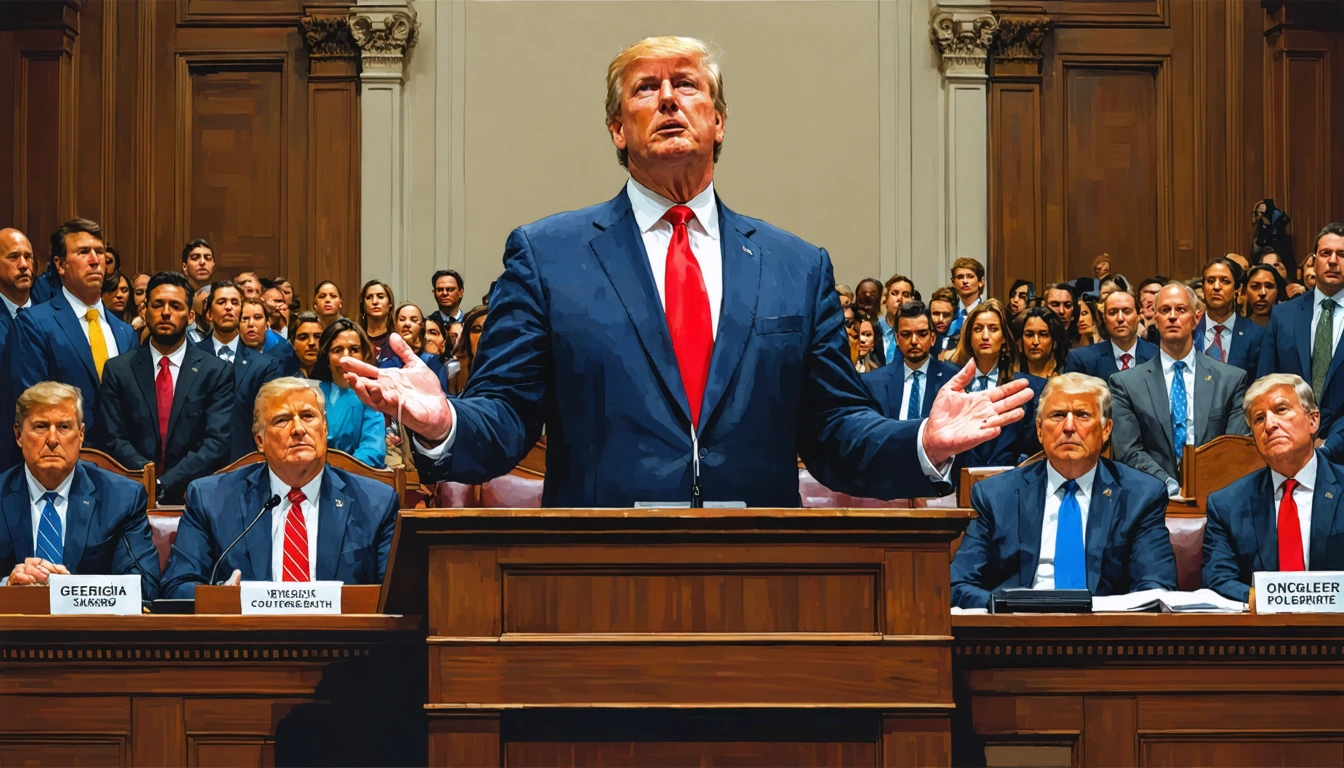
Georgia lawmakers dismiss prospects for recreational marijuana legalization during the 2026 legislative session, even as federal authorities weigh rescheduling the drug. State leaders instead prioritize stricter oversight of hemp-derived products flooding convenience stores and gas stations. These moves address unregulated access to potent substances, particularly by minors, while preserving criminal penalties for marijuana.
Tightening Oversight on Hemp Products
Georgia maintains a licensed system for low-THC medical oil but confronts a parallel market of hemp items with minimal regulation. Senate Judiciary Committee Chairman Brian Strickland, a Henry County Republican, highlights how these products evade the structured controls applied to medical cannabis. Lawmakers view Georgia as a destination for such goods after neighboring states impose tougher standards, prompting efforts to close oversight gaps.
Protecting Youth from Potent Substances
Access by minors to hemp products far stronger than prescribed medical options drives regulatory urgency. Strickland notes that children can currently purchase these unregulated items at gas stations without knowing their contents or potency. This disparity underscores the need for uniform standards to prevent higher risks from informal sales channels outside the medical framework.
Criminal Laws and Enforcement Challenges Persist
Marijuana remains illegal under Georgia law, with no proposals to alter criminal treatment despite potential federal rescheduling from Schedule I to Schedule III. Strickland emphasizes enforcement priorities, including impaired driving, where testing lags behind alcohol detection capabilities. Legal ambiguities in hemp products complicate prosecutions, as users often cannot confirm product legality.
Limited Medical Program Adjustments Ahead
A blue-ribbon committee examines expansions to qualifying conditions for Georgia's low-THC oil program, alongside enhanced regulations. Carryover bills from prior sessions target medical access improvements, not recreational use or penalty reductions. Federal shifts would not compel state changes, leaving recreational marijuana off the 2026 agenda.