Fire Station Cannabis Co. Launches U.P.-Wide Marijuana Delivery in Marquette
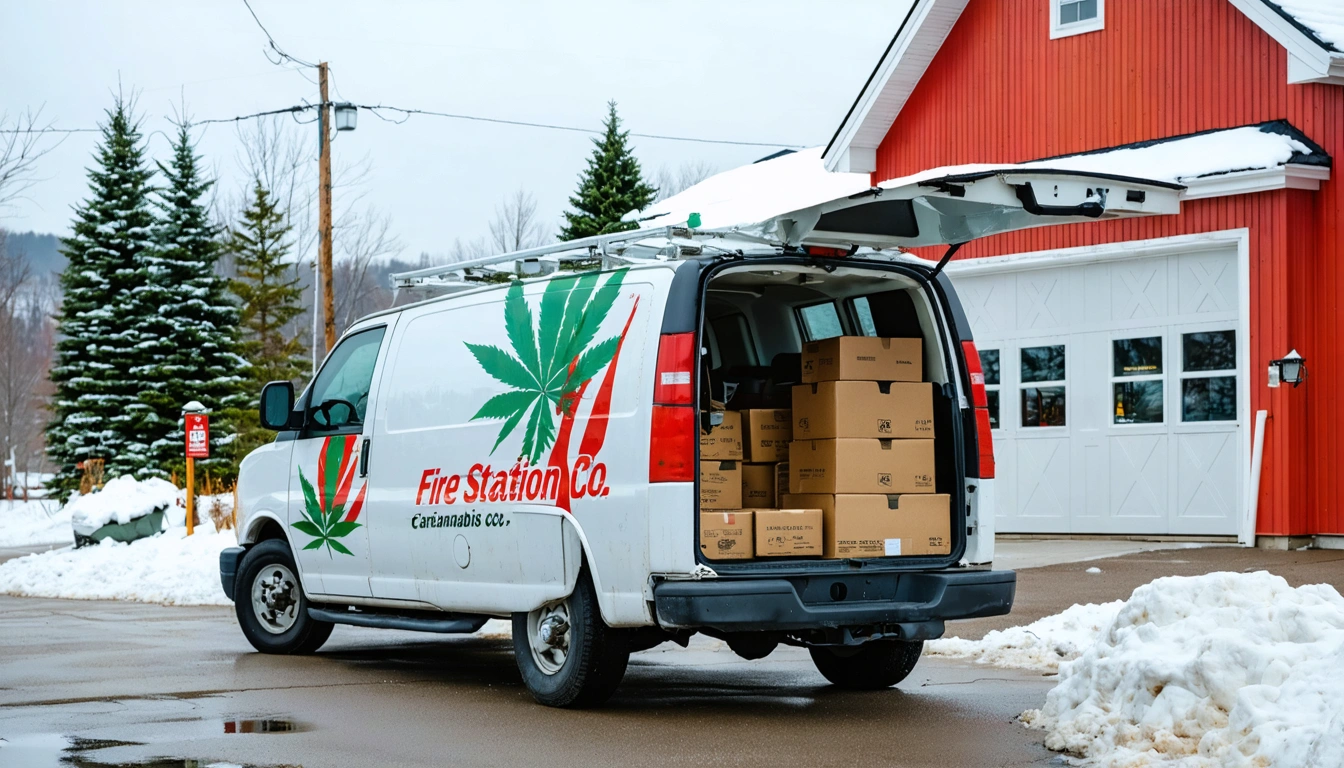
In Marquette, Mich., Fire Station Cannabis Co. is rolling out delivery of marijuana products across the entire Upper Peninsula starting in the coming weeks, offering a game-changing convenience for medical patients and recreational users aged 21 and older in this remote region.
Service Details and Safety Measures
The new U.P.-wide delivery targets the challenges of the peninsula's vast, rural landscape, where dispensaries are scarce and travel distances long. Deliveries will occur once weekly to cities in designated zones, with potential expansion if demand surges.
- Available to medical patients and adults 21+; ID required at door
- Residential addresses only; max 2.5 ounces per transaction
- All Fire Station products included, from flower to edibles
These limits align with Michigan's strict regulations, prioritizing responsible use while curbing overconsumption risks.
Driven by Customer Demand and Accessibility Needs
Owner Stosh Wasik emphasizes convenience as the core driver: customers frequently travel far across the U.P. for Fire Station's quality products. Since Michigan legalized recreational cannabis in 2018, the Upper Peninsula—home to just a handful of dispensaries—has lagged in retail infrastructure compared to the Lower Peninsula's 700+ stores.
Winter blizzards and poor roads amplify travel hardships, making delivery a practical solution. Wasik's initiative echoes national trends where cannabis delivery has boomed post-legalization, with U.S. sales hitting $30 billion in 2023, much fueled by on-demand services.
Broader Implications for Health, Safety, and Culture
This launch could reshape cannabis access in the U.P., benefiting medical users managing chronic pain or anxiety without arduous trips. Public health experts note that regulated delivery reduces black-market reliance, ensuring lab-tested products free of contaminants—a key win in a region with high opioid misuse rates.
Yet, implications include monitoring youth access and impaired driving; ID verification and purchase caps mitigate these. Culturally, it normalizes cannabis as a lifestyle choice, mirroring urban delivery models in states like California, potentially boosting local economies through Fire Station's growth.
Looking ahead, if successful, this could inspire more U.P. providers, fostering a safer, more equitable cannabis market amid Michigan's evolving landscape.