
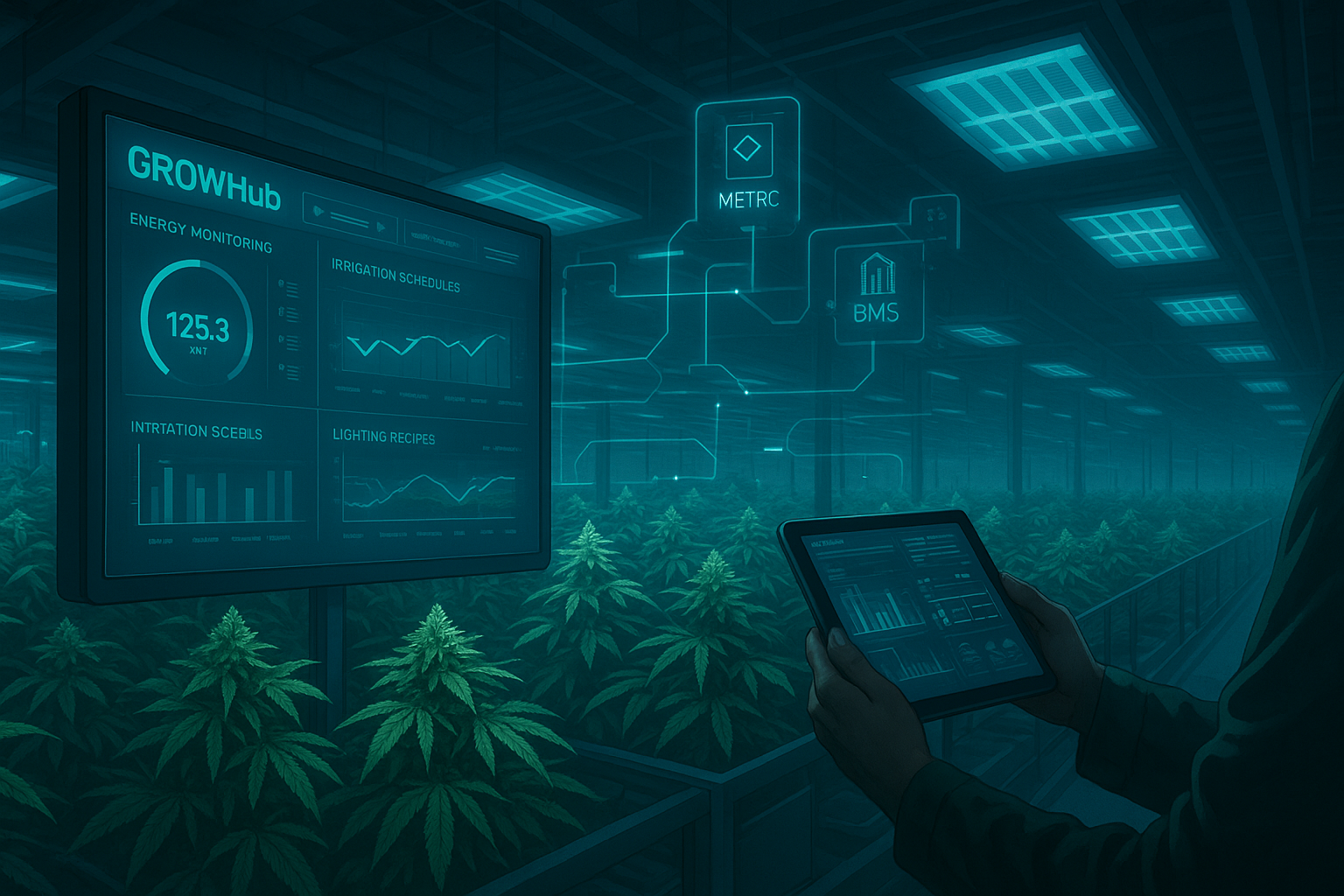
TSRgrow has rolled out a significant 2026 upgrade to GROWHub, its cultivation software platform, adding energy monitoring, expanded batch records, Metrc integration and Building Management System connectivity. The expansion pulls crop performance, facility operations and compliance documentation into one system, addressing a persistent operational headache for commercial growers: data scattered across too many disconnected tools.
That fragmentation problem is not unique to cultivation. Retail operators downstream have wrestled with the same issue for years, cobbling together inventory, compliance and sales data from separate platforms that rarely talk to each other. Dispensaries and ancillary cannabis retailers have increasingly turned to integrated point-of-sale systems built specifically for regulated products - the kind of infrastructure seen in tools like cbd store point of sale software new mexico operators use to keep seed-to-sale tracking, tax reporting and transaction records aligned under one roof. GROWHub's expansion applies that same logic further up the supply chain, at the cultivation level, where the recordkeeping stakes are arguably higher.
Why Cultivation Data Has Been Stuck in Silos
Commercial cultivation generates a lot of information - lighting settings, irrigation schedules, environmental readings, energy draw, harvest weights. Historically, much of it has lived in spreadsheets, standalone controllers or paper logs, particularly in facilities that expanded piecemeal as licenses and square footage grew. That approach works, sort of, until an operator needs to reconstruct exactly what happened during a specific crop cycle for a regulator, an auditor or their own quality team. GROWHub's expanded batch-record functionality is aimed squarely at that gap, organizing settings and conditions around individual batches rather than leaving that work to whoever remembers to update a shared file.
Metrc Integration Raises the Compliance Bar
Connecting cultivation software directly to Metrc, the track-and-trace system used across most licensed markets, is not a small technical detail. It means cultivation data and regulatory reporting no longer require separate manual entry, which reduces both labor and the chance of transcription errors that can trigger compliance flags. As Sagal put it, compliance shouldn't exist apart from cultivation - and that's a fair description of where the industry is heading generally, given growing scrutiny tied to potential federal rescheduling and the patchwork of state-level track-and-trace requirements operators already navigate.
- Batch-level records tied to specific lighting recipes, zones and growth stages
- Direct Metrc connectivity to reduce manual compliance data entry
- Energy monitoring layered against cultivation and environmental data
- Building Management System connectivity for facility-wide visibility
Energy and Facility Systems Enter the Conversation
Lighting is typically one of the largest line items in a cultivation facility's energy bill, so tying consumption data directly to cultivation decisions is a practical move, not a cosmetic one. Operators can now weigh lighting intensity and scheduling choices against actual energy draw rather than estimating after the fact. Expanded BMS connectivity extends that visibility further, letting GROWHub exchange information with broader facility systems instead of requiring operators to manage HVAC, power and cultivation data as three separate concerns.
What This Means for Operators Going Forward
None of this replaces sound cultivation practice or good recordkeeping discipline - software doesn't grow the crop. But for multi-state operators managing several facilities, or single-license cultivators trying to standardize output across rooms, a connected system that documents what actually happened during a grow cycle has real value when audits, wholesale buyers or lab testing results raise questions later. The broader trend here tracks with what's already happened in cannabis retail: as regulatory scrutiny tightens, the operators with clean, centralized data tend to have an easier time proving compliance than those still piecing records together after the fact.